Saint-Émilion: The Art of Staying Relevant
Behind the labels: tradition, terroir and the different ways of rethinking Bordeaux
In Saint-Émilion, traditions are measured in centuries. Change can begin with just two per cent of Cabernet Sauvignon, a few rows of trees planted among the vines, or a decision to buy less new oak.
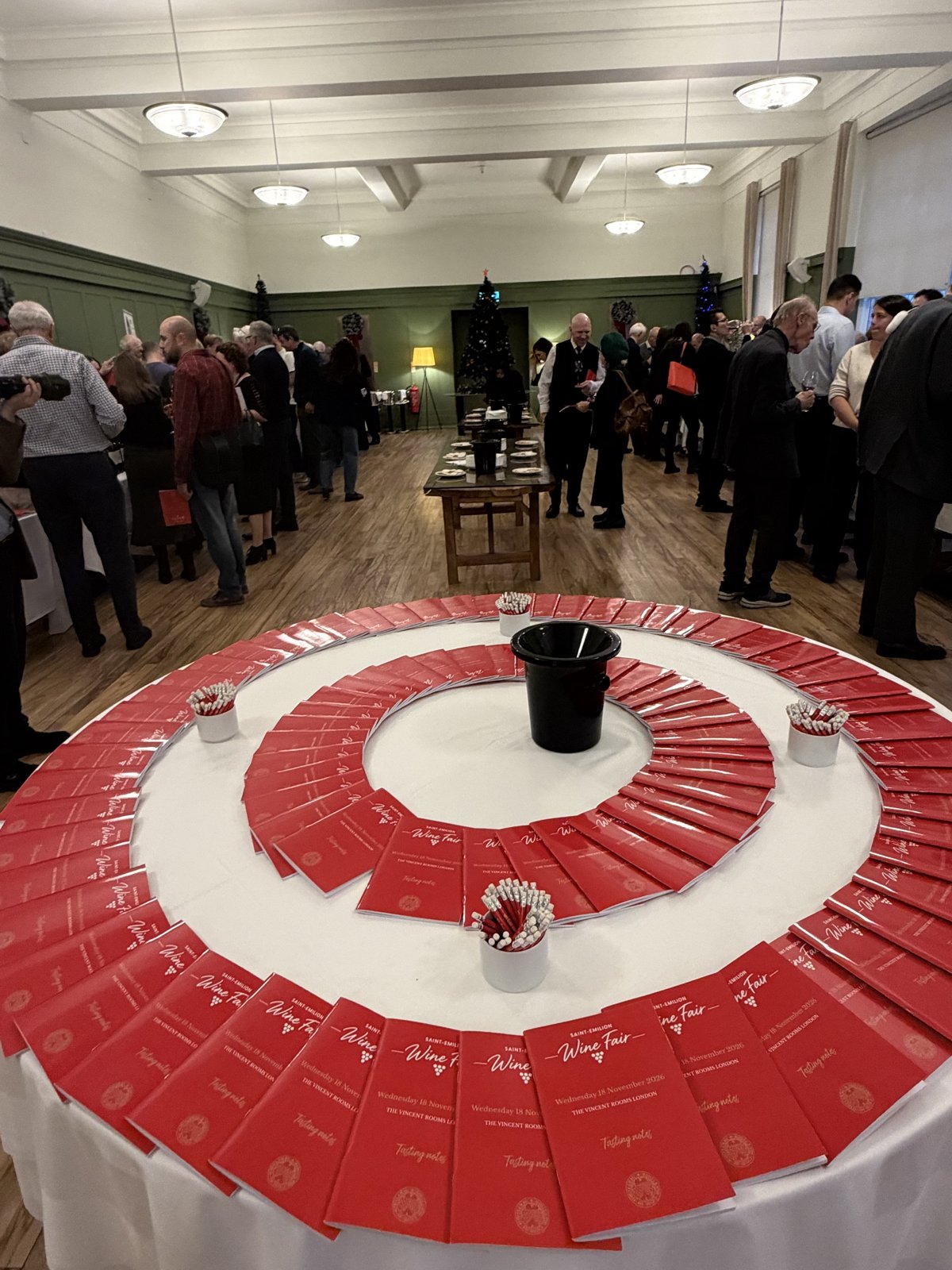
At the Saint-Émilion Wine Fair in London, organised by the Jurade de Saint-Émilion, 24 estates presented their wines side by side: two-hectare family properties, producers from the satellite appellations, Grands Crus Classés and one Premier Grand Cru Classé, Clos Fourtet. What proved most revealing was not simply the diversity of the wines, but the decisions behind them.
The pressures are shared: alcohol levels creeping up, freshness to protect, a market that wants both ageing potential and something to open tonight, and consumers who need a reason to look beyond the name on the label. The answers are not. Across these estates, the same challenges are being met in different ways.
When Two Per Cent Becomes a Strategy
At Château Bézineau, the Faure family has been making wine for around 250 years. The eighth generation still runs the estate; Pierre-Jean Faure, who is also involved in the family’s Château Richotey in Fronsac, is completing the formalities to become a partner alongside his parents and, in time, the ninth generation at the helm.
The estate makes two wines with very similar blends. Les Cabanes de Bézineau 2020, the second label, is 80% Merlot, 15% Cabernet Franc and 5% Cabernet Sauvignon. The flagship Château Bézineau 2022 contains 80% Merlot, 18% Cabernet Franc and just 2% Cabernet Sauvignon.

Those two per cent come from the estate’s oldest plot, planted by Pierre-Jean’s great-grandfather more than eighty years ago — an exceptional age for vines in this part of Bordeaux.
And they point towards the future.
“When I will be at the command, I would like to put more and more Cabernet in it,” Pierre-Jean says. With warmer seasons, both Cabernet varieties are ripening more reliably, offering freshness and acidity to counterbalance Merlot’s growing richness. Cabernet Franc is his personal favourite, ever since a placement at another Saint-Émilion estate where it played a prominent role in the blend.
The reason is in the numbers. Forty years ago, Bézineau’s wines were around 12% alcohol; today they range between 13% and 14.5%.
The wines are still good, but the wine gets heavier and heavier.
The cellar has evolved in the same direction. Les Cabanes sees no oak at all. The flagship is divided three ways: 35% in new French oak barriques, 35% in tanks with French oak staves — planks rather than chips — and 30% in unlined concrete vats, allowing a degree of oxygen exchange without adding wood-derived flavours.
The terroir contributes its own character: sand over a distinctive clay subsoil, which Pierre-Jean associates with menthol notes in younger wines and truffle, mushroom and earthy nuances as they develop.
Family continuity, in other words, does not mean technical continuity. Each generation must decide how to preserve a recognisable house style under changing conditions.
Merlot: Keep It, Replace It or Listen to It?
Not everyone is reducing Merlot.
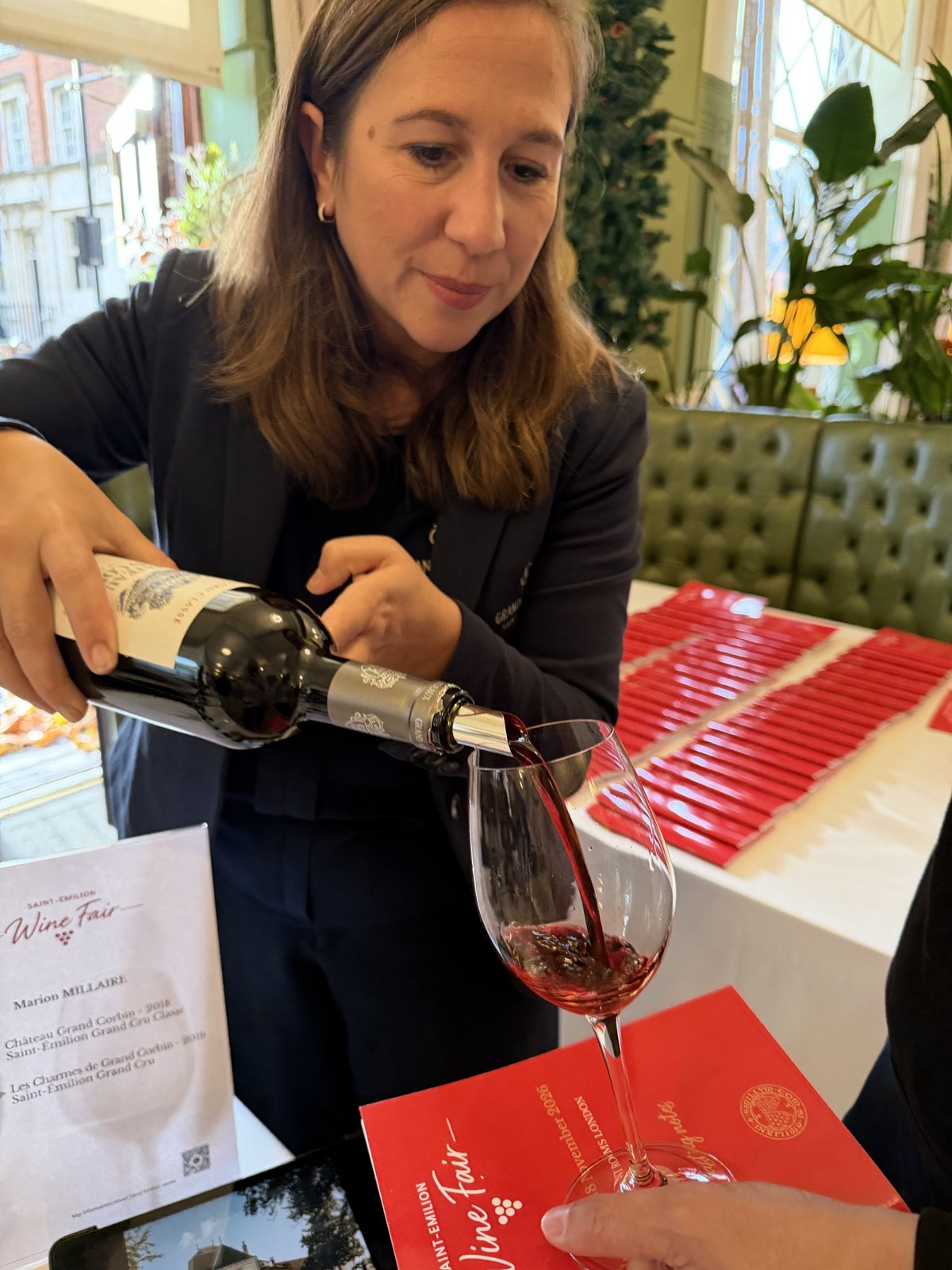
At Château Grand Corbin, in the north-west of the appellation near Pomerol, siliceous soils lie over deep blue clay. The clay holds water and can moderate the effects of increasingly warm, dry seasons, so Merlot remains dominant: 80% of a single 37-hectare block, with 16% Cabernet Franc and 4% Cabernet Sauvignon. The response here is more selective: an ageing parcel of Cabernet Sauvignon is being replaced with Cabernet Franc, while harvest dates move progressively forward.
On parts of the limestone plateau, by contrast, growers face different ripening conditions and may be more inclined to reconsider Merlot’s proportion.
At Clos Systey, the strategy is to replant with Cabernet Franc to balance Merlot’s sugar accumulation with freshness. But removing all the old vines is not an option: their age, character and quality remain central to the wine.
Climate adaptation, then, is not a universal formula of less Merlot and more Cabernet Franc. Soil depth, water availability, exposure and vine age make every vineyard a different case.
Perhaps the most radical response comes from Thomas Goudaillez of Château Riou de Thaillas.
A Belgian with no family background in wine — his father worked in the asbestos industry and his mother was a doctor — Thomas entered the Saint-Émilion wine business in 2021.
“In Belgium we are not known to be the best winemakers — much more wine drinkers!”
He acquired an existing estate on sand and gravel, then added a tiny 64-are parcel of rare blue clay surrounded by the vineyards of Château Cheval Blanc. The latter became CBO, short for Cheval Blanc Ouest.
“It’s not Chicken Bacon Onion from McDonald’s — it’s Cheval Blanc Ouest.”
The joke is memorable, but the philosophy is serious.
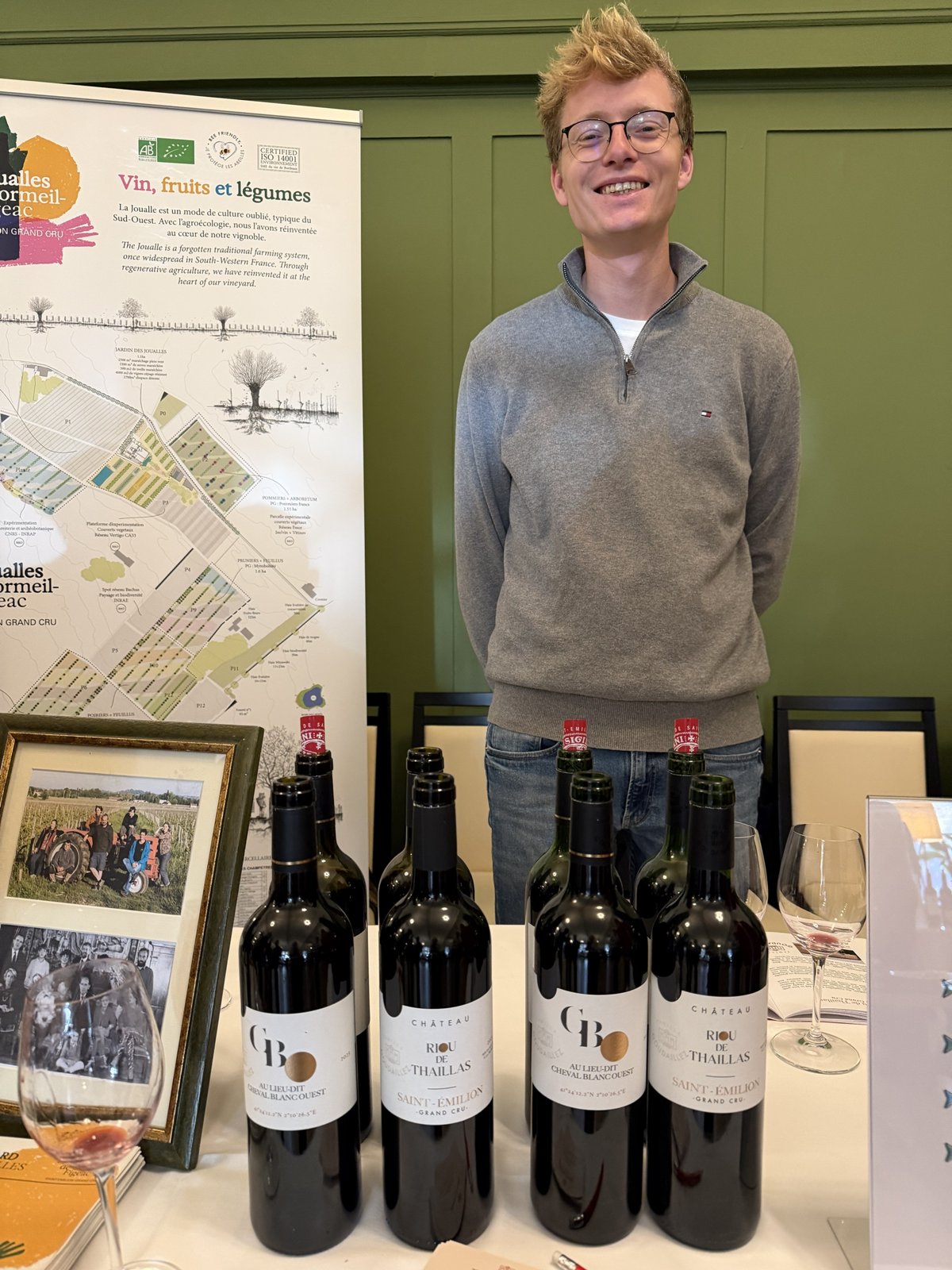
Thomas works exclusively with Merlot, exploring the differences between vineyard sites rather than relying on a conventional Bordeaux blend. The wines are produced using comparable vinification methods, with oak ageing carefully managed to preserve the expression of the fruit.
He calls it a Burgundian approach: one variety, different soils.
The blue-clay Merlot shows particular juiciness and a different sense of texture. Thomas explains it with a simple gesture: take a handful of sand and it slips through your fingers; clay remains in your hand — and retains water in much the same way.
Yet he is careful not to attribute everything to the soil. The cooler, wetter 2023 brought freshness and a tighter structure, while the warmer 2022 showed more spice and a broad range of berry aromas, moving well beyond the straightforward plum character often associated with Merlot.
Vintage and terroir cannot be neatly separated.
While some estates are changing grape varieties to meet the future, Thomas is testing how much more the existing one can reveal.
Limestone as an Advantage — and a Tool
At Clos Fourtet, the relationship between geology and winemaking is almost literal.
Beneath the Premier Grand Cru Classé lie approximately thirteen hectares of limestone quarries, excavated from the twelfth century onwards to supply stone for the construction of Saint-Émilion. For centuries, the underground spaces served other purposes, including the cultivation of champignons de Paris. Only after the Second World War did they begin to be used for wine ageing.
For Emmanuel de Saint Salvy, the estate’s Operations Director, they are a practical resource rather than merely a historical curiosity.
The temperature remains relatively stable and humidity is high. Barrels are less inclined to dry out, the angels’ share is minimal, and topping up is needed far less frequently than in conventional cellars. Bottles mature there too, including wines that have spent almost a century underground.
Above ground, the same limestone can act as a water reservoir and a natural moderator of the vineyard’s temperature.
Combined with cover crops protecting the soil surface, it can help vines withstand hot, dry periods. But limestone is not a universal guarantee against water stress: root access, soil depth and seasonal conditions remain decisive.
In the cellar, the philosophy remains classical. Natural fermentation, no crushing, extraction through pigeage and no cold maceration are intended to preserve purity without excessive intervention.
The clearest change concerns oak. As warmer vintages produce riper fruit and greater extraction potential, Clos Fourtet has reduced the proportion of new barrels to approximately 50–60%.
When the fruit already has concentration, the cellar does not necessarily need to add more.
The 2016, selected from the estate’s reserves, combined developed complexity with the freshness associated with its limestone origins.
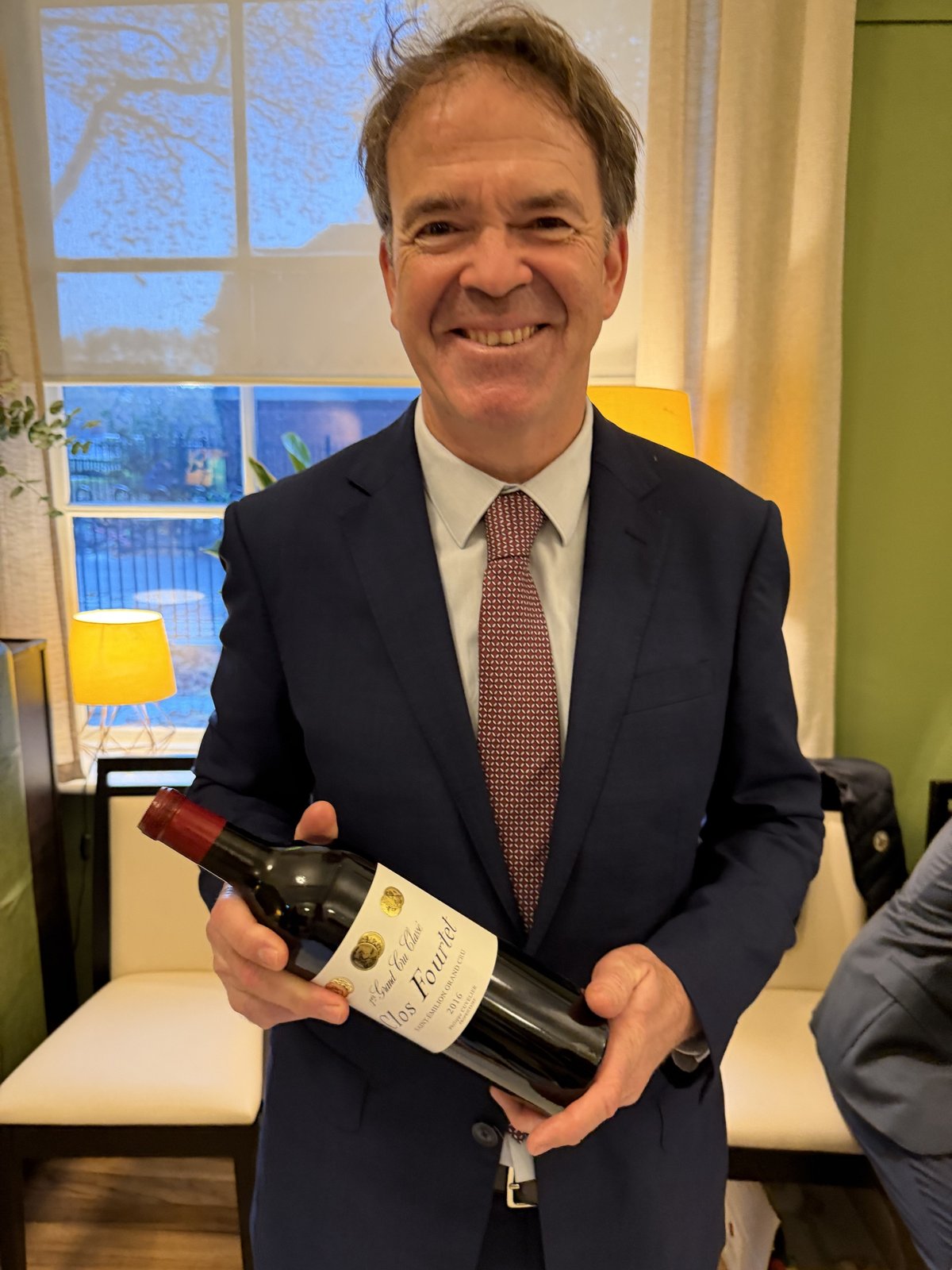
The Cuvelier family’s other Saint-Émilion property, Château Côte de Baleau, illustrates the diversity of terroirs within a single hillside. Limestone at the top is associated with freshness and finesse, clay with structure and power, and sand with aromatic complexity.
The predominance of Merlot remains recognisably Saint-Émilion, but the interaction of these soils provides different elements for the final blend.
Like Clos Fourtet, Château Sanctus in Saint-Christophe-des-Bardes uses pigeage, or punching down the cap during fermentation. The technique is more commonly associated with Burgundy than with modern Bordeaux, where pumping over is widely used.
For director Romain Ducolomb, the distinction lies in how the fermenting solids are handled. During pumping over, juice may repeatedly flow through established channels in the cap. Punching down breaks up and redistributes the solids, creating a different form of extraction.
“You can see, you can touch, you can smell what you do.”
The appeal is not purely technical. It is also a more tactile relationship with the wine.
Romain poured two wines. Château Sanctus 2022 comes from 4.5 hectares on the limestone and clay plateau: 72% Merlot, from vines around 40 years old. Château Les Religieuses Cuvée Prestige 2023 is 85% Merlot, 13% Cabernet Sauvignon and 2% Cabernet Franc, and carries the HVE (High Environmental Value) label. Both names point to the sacred: Les Religieuses comes from the main plot as marked on old maps, while Sanctus nods to the nearby church.
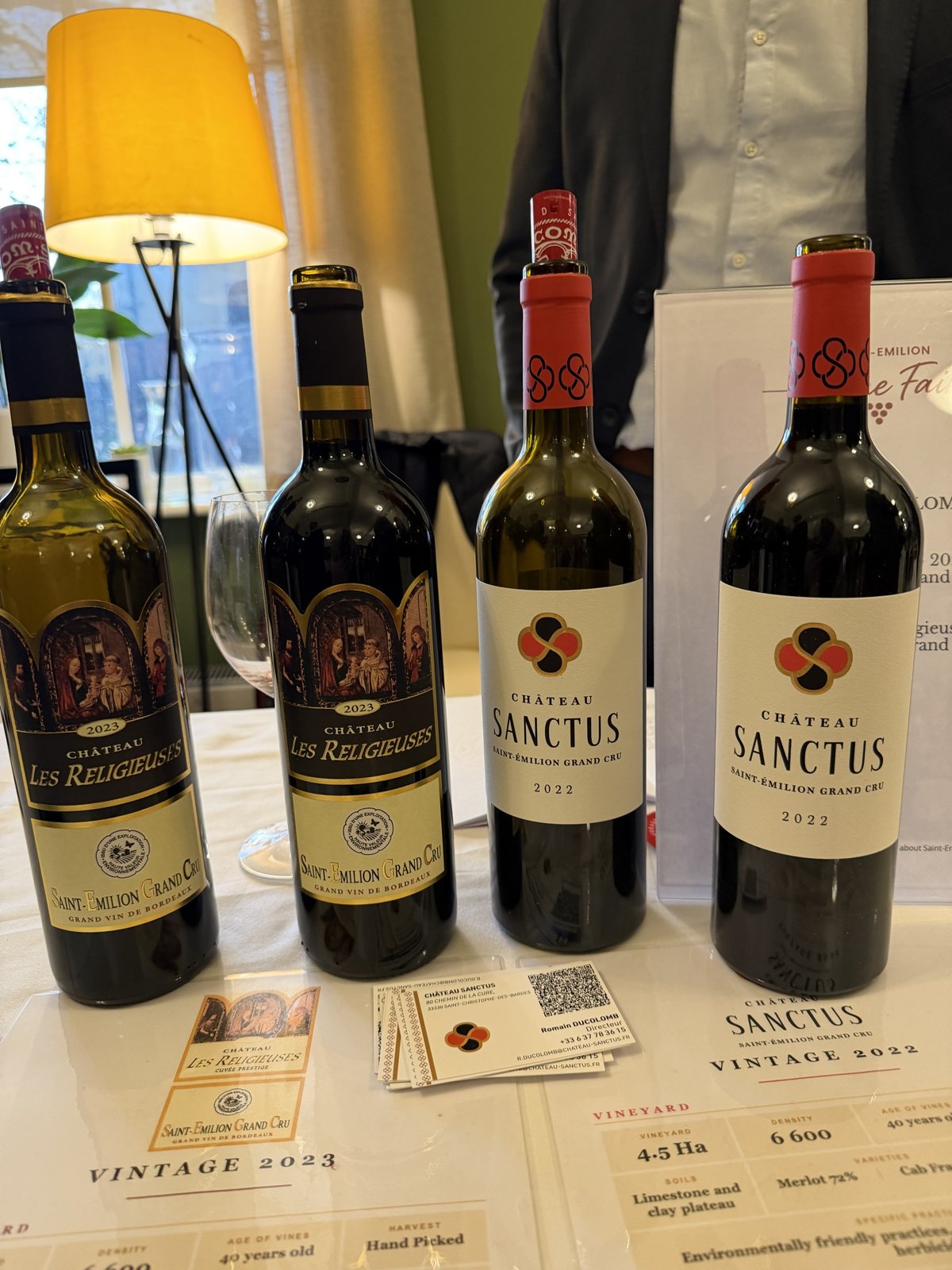
Sometimes innovation means introducing sophisticated new equipment. Sometimes it means revisiting a traditional technique that has become less common.
Two Kinds of Precision
When Arnaud Vandenbogaerde acquired Château Badette in 2012, the vineyard had centuries of history but had received relatively little recent investment.
The family replanted extensively, built a new cellar — first used for the 2015 vintage — and introduced a series of vineyard measures aimed at improving soil health and biodiversity.
Green manures are sown after harvest and incorporated into the soil. Mixed hedgerows provide habitats for birds and insects. Insecticide use has been replaced by mating-disruption techniques for relevant pests.
In the cellar, however, the philosophy is distinctly technological.
Why have the past two decades produced more consistently successful vintages than earlier periods? Arnaud does not attribute the improvement exclusively to climate.
It’s not only climate. It’s also because we have more buttons to use.
One of his most important tools is density-based grape sorting. The equipment separates berries in a calibrated sugar solution, helping distinguish fruit with different levels of maturity.
In difficult vintages, when ripening is uneven, this allows Badette to exclude insufficiently ripe fruit from the grand vin.
The difficult 2024 vintage illustrates the commercial implications. The estate produced less first wine, but aimed to maintain quality close to that of more favourable years.
In leaner vintages, the proportion of new oak can also be reduced to prevent the wood from dominating a wine with less concentration.
Arnaud’s target style is clear: the power associated with Saint-Émilion, but with more pronounced fruit, polished tannins and no excessive jamminess.
Among the region’s established names, Château Canon represents for him an especially convincing expression of classical Saint-Émilion.
Badette received Grand Cru Classé status in 2022, much earlier than the family expected. Arnaud had assumed recognition might have to wait until the next classification cycle in 2032.
His analogy is to a Michelin star: a restaurant does not suddenly begin cooking better on the day it receives one. The star recognises the quality it has already achieved.
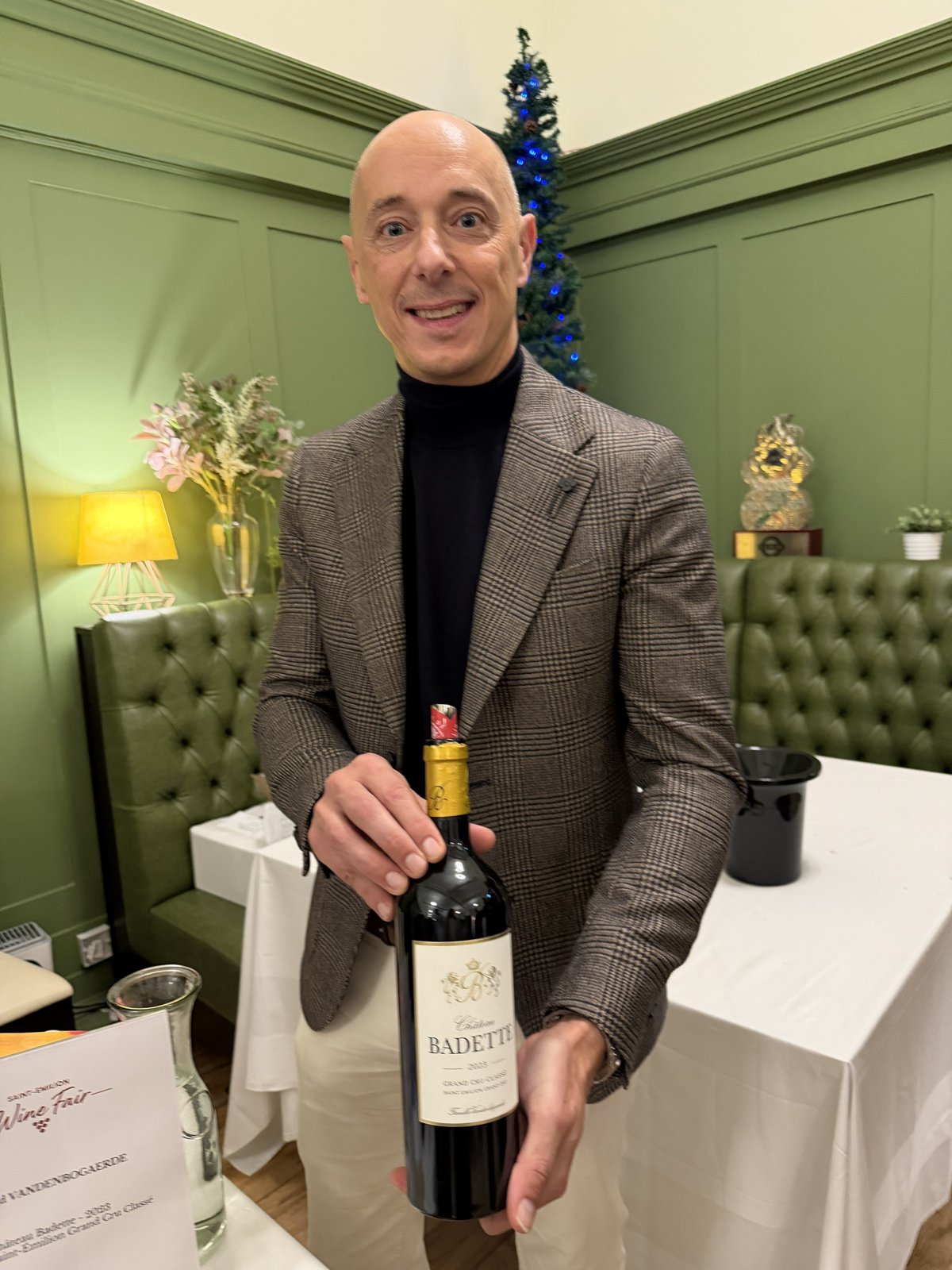
Axelle and Pierre Courdurié of Château Croix de Labrie reach precision by another route: observation.
Their Grand Cru Classé vineyards form part of a wider group of parcels across different terroirs, including the plateau with fossil-rich calcaire à astéries, the slopes of Pavie and Le Cadran, approximately seven kilometres to the southwest.
Axelle manages viticulture, and the couple make the wine together. Their farming follows organic and biodynamic principles and has moved further into agroecology, with extensive vegetation cover supporting biodiversity.
Before harvest, they walk the rows, tasting berries and assessing maturity in individual parcels. Two plots separated by only a few metres may be ready several days apart.
The entire harvest can therefore require just five picking days spread across four weeks.
The aim is never to allow the grapes to become overripe.
Pierre gives precise figures for differences observed in their wines: pH levels of approximately 3.30–3.38 from limestone-dominated parcels, compared with around 3.45–3.60 from more clay-rich sites.
These are estate-specific observations, not universal values for limestone and clay. But they show why the Courduriés regard each parcel as an individual component.
Every plot is fermented and aged separately, and the final blend is assembled only shortly before bottling.
After a single racking, the wine returns to the same barrel and remains on its full lees until June. By limiting oxygen exposure and maintaining protective reductive conditions, the estate seeks to reduce the need for sulphur dioxide additions during ageing.
“Very technical, but it’s fine!”

Neither Badette nor Croix de Labrie is more modern or more traditional than the other.
Both are answering the same question: how can producers maintain quality and stylistic consistency when growing seasons are becoming less predictable?
What a Vintage Tells Us Beyond Its Rating
At Grand Corbin-Despagne, the contrast between 2002 and 2003 demonstrates how different growing conditions can reshape the blend. In 2002, François Despagne favoured 82% Merlot and 18% Cabernet Franc. In the exceptionally hot 2003, when Merlot became too jammy for his preferred style, he changed the composition to 70% Merlot and 30% Cabernet Franc.
The objective remained balance; the means of achieving it changed.
For Thomas Goudaillez, comparing the warmer 2022 with the cooler, wetter 2023 adds another dimension to his exploration of Merlot and terroir. Freshness cannot be credited solely to blue clay when the vintage itself has such a strong influence.
At Badette, 2024 was a lesson in selection: accepting lower volumes to protect the grand vin’s quality.
But at Clos Systey, vintage variation is not merely a technical or stylistic issue. It can determine the survival of the business.
The estate occupies just two hectares, with vines now more than sixty years old. In 2017, frost devastated production. In 2018, mildew reduced output to approximately 1,000 bottles.
For a property of this size, two consecutive disastrous vintages represent much more than disappointing harvests.
That history gave particular significance to the wines presented in London.
The 2019 reflected a complex growing season, with dark cherry fruit, concentration and emerging development.
The 2016 had reached a more harmonious stage, combining softened tannins with tertiary notes of truffle, forest floor, leather and savoury complexity while retaining its fruit.
The 2015 was particularly striking.
Its mature aromatic profile suggested a richer, heavier wine than the palate actually delivered. Instead, it remained remarkably fresh, with integrated tannins and a seamless balance.
It was the sort of mature Bordeaux that makes one want another glass rather than simply admire its complexity.
Clos Systey deliberately holds back younger vintages, preferring to release its Grand Cru when the wines are ready to express the character for which they were made.
At the same time, the estate produces an unoaked cuvée designed for more immediate enjoyment.
The lesson is not that Saint-Émilion should abandon its ageing potential. It is that longevity and approachability need not be opposing ambitions.
Experimentation Alongside Tradition
“Château Petit Val is experimentation,” says Lola Guillotin, responsible for commercial development and wine tourism at the estate owned by Jean-Louis and Olivia Alloin.
The classical wines remain central to production.
The signature Château Petit Val, produced in approximately 55,000 bottles, is dominated by Merlot with Cabernet Franc and spends around fourteen months in French oak, half of it new. A more structured prestige cuvée, Muse du Val, combines Merlot and Cabernet Franc in equal proportions, with a stronger emphasis on new oak and ageing potential.
Alongside them sit ten clay jars.
An experimental Malbec spent twelve months in five of them, and the results encouraged the team to explore a single-varietal Merlot, Merveilles du Val, aged for approximately eight months in amphora.
For the 2026 vintage, the estate plans to introduce a short period of barrel ageing to the latter wine, seeking a different balance between fresh fruit and subtle oak influence.
The white wines are more unexpected still.
Olivia Alloin, originally from Strasbourg, arrived in Bordeaux with an interest in Gewürztraminer. After discussions about suitability for the local conditions, Riesling emerged as the alternative.
The result is not Alsace transplanted into Saint-Émilion, but a Riesling expressing Bordeaux growing conditions, with acidity and sweetness in balance.
Chenin Blanc has also been planted, with the first production expected in 2028.
Both projects are extremely small, with approximately 600 bottles anticipated for each.
Yet they offer something commercially valuable: new wines, new tastes and new reasons for importers to pay attention.
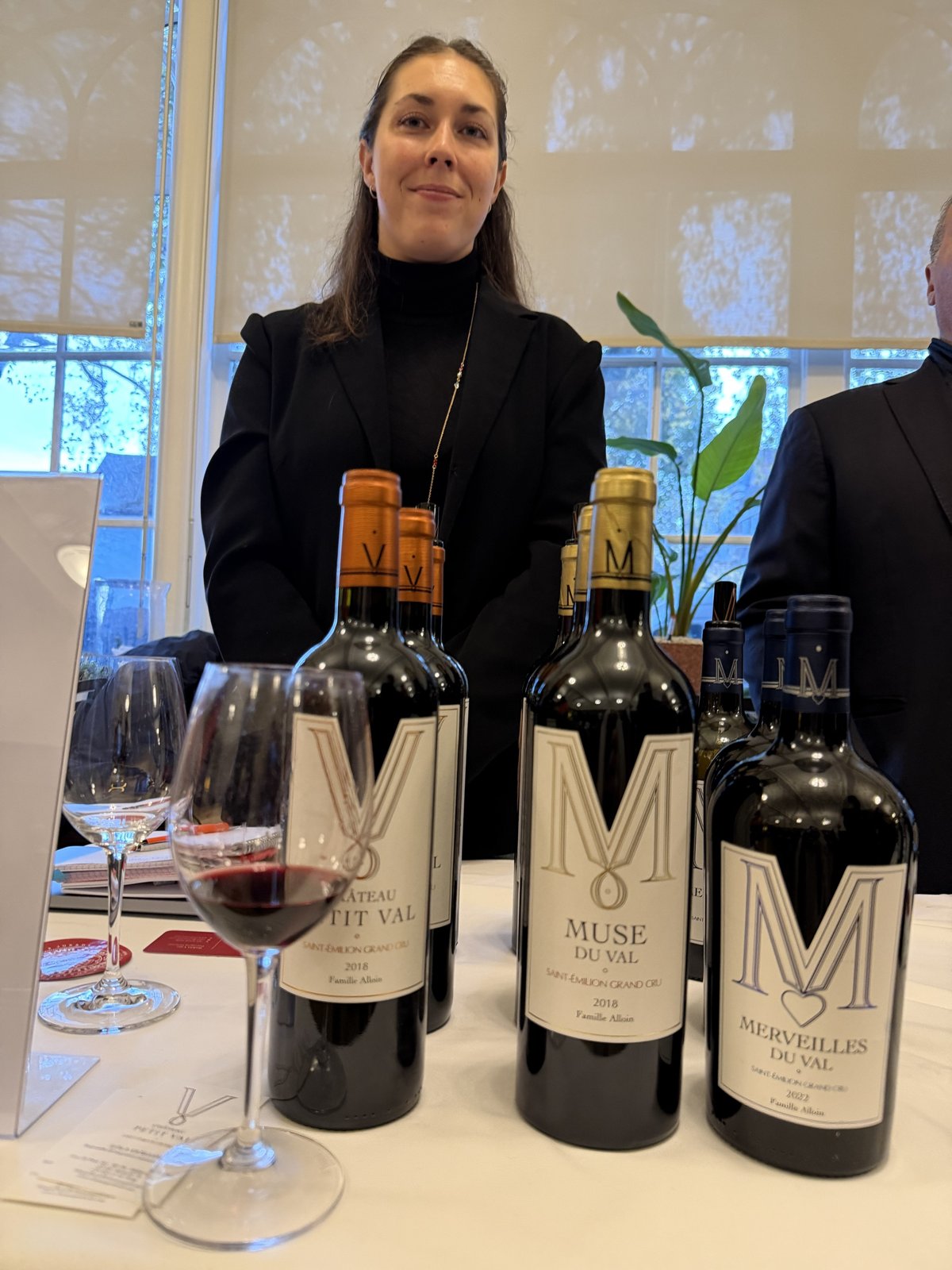
At La Maison Cardinale, Caroline Decoster is exploring diversity through the estate’s existing vineyards rather than unfamiliar varieties.
The family manages Château Fleur Cardinale, a Grand Cru Classé with predominantly north-facing vineyards, alongside Château Croix Cardinale on the southern side of the limestone plateau.
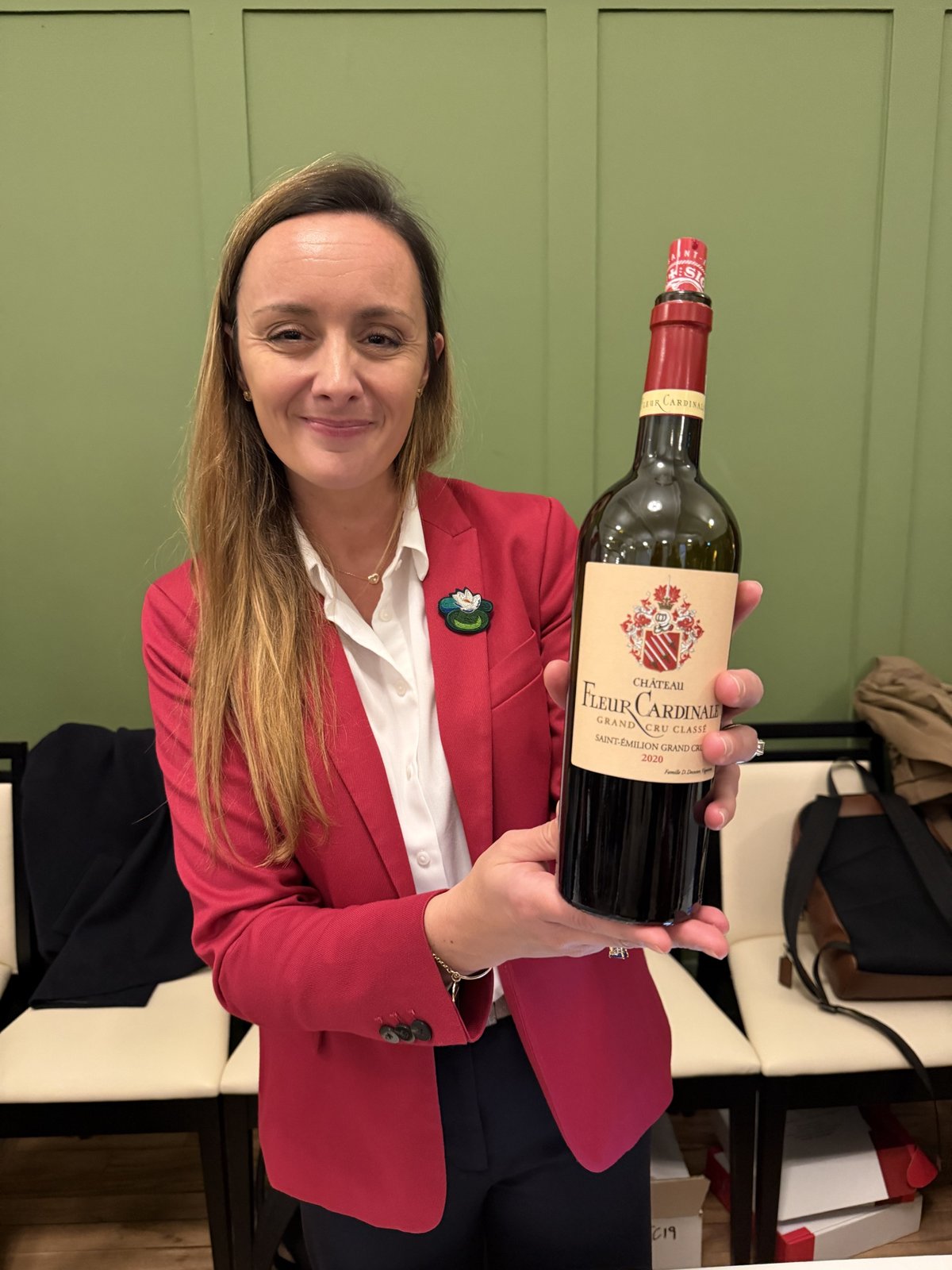
The geographical contrast provides the basis for several distinct expressions.
Révélation de Croix Cardinale combines Merlot from the north with Cabernet from the south. The result is juicy, fruit-driven and approachable, with bright acidity, soft tannins and a modern presentation.
It is not designed primarily for long ageing, and there is no reason it should be.
I had just returned from South Korea, where pairing wine with traditional Korean barbecue had proved particularly challenging. Bitter, spicy, sour and sweet flavours can appear together, while the dishes keep changing and a single bottle remains on the table.
Révélation struck me as the kind of balanced, supple red that could work remarkably well in this setting. Its freshness and soft tannins are more useful than the concentration or prestige of a wine chosen for its classification.
The more Cabernet-driven expression from the south-facing limestone slope is quite different.
Caroline describes its character through two ideas: energy and texture.
The wine combines aromatic intensity with a distinctly chalky palate, revealing perfume, violet and mineral nuances as it opens.
In a blind tasting, its structure might suggest Saint-Julien rather than Saint-Émilion.
“So it’s still a Saint — just not Saint-Émilion!”
The comparison is amusing, but it reveals how far the style can move from conventional expectations while remaining within the same appellation.
Nor is experimentation entirely new to Saint-Émilion.
Château de Pressac, another Grand Cru Classé represented in London, is the only estate in the classification to cultivate six grape varieties: Merlot, Cabernet Franc, Cabernet Sauvignon, Petit Verdot, Carménère and Malbec, historically known here as Noir de Pressac.
Its long association with this diversity is a reminder that the region’s history contains more experimentation than its conventional image suggests.
New styles are not necessarily replacing traditional ones.
They are appearing alongside them, for different consumers and different occasions.
From Living Soils to a Living Business
Sustainability in Saint-Émilion does not follow a single model either.
At Château Grand Corbin-Despagne, where the family has been established since 1812, François Despagne is both a microbiologist and an oenologist.
For him, soil life is fundamental to understanding how a vineyard functions.
His commitment to organic viticulture began with the people living and working among the vines.
Despagne lives on the estate with his wife and children, and the implications of agricultural practices are therefore personal.
He also associates organic cultivation with preserving acidity and lower pH in an increasingly warm climate, although these outcomes remain influenced by vintage, site conditions and harvest decisions.
“I don’t say I do the best wine, but I want to maintain the balance.”

The same logic runs through the cellar.
Healthy grapes are carefully sorted, and sulphites are not routinely added at reception. The blend is determined through tasting rather than fixed percentages.
For the 2020 vintage, ageing included new and previously used French oak barrels alongside amphorae. Comparing wines matured in older wood and clay convinced Despagne that amphorae could preserve freshness without introducing the drying sensation he sometimes associates with oak.
At Château Cormeil-Figeac, the transformation is far more visible.
Coraline Moreaud McAllan and her brother Victor Moreaud, a landscape architect by training, have been reviving the joualles: the traditional regional practice of growing vines alongside trees and other crops instead of as a monoculture.
Victor began developing the agroforestry programme around 2019–2020.
Today, trees, vegetables and cover crops share the vineyard landscape. Their presence attracts insects and birds, encourages biological diversity and may contribute to healthier soils and more resilient vines.
“It’s tricky, it’s very hard,” Coraline acknowledges.
But the ambition is clear: to develop a richer agricultural ecosystem rather than treat the vineyard as an isolated crop.
One particularly interesting wine, Les Ombres de Cormeil 2022, is selected from vines growing directly beside the newly planted trees. Its label, signed by Coraline and Victor, reads: « Né au pied d’un arbre, ce vin a la douceur de l’ombre » — born at the foot of a tree, this wine has the softness of shade.
As those trees mature, the shade they provide, their competition for water and nutrients, and the microclimate they create will evolve.
Whether this translates into measurable differences in grape composition or wine quality remains to be established.
That open question is what makes the project worth following. It is an experiment still unfolding, not a finished claim printed on a label.
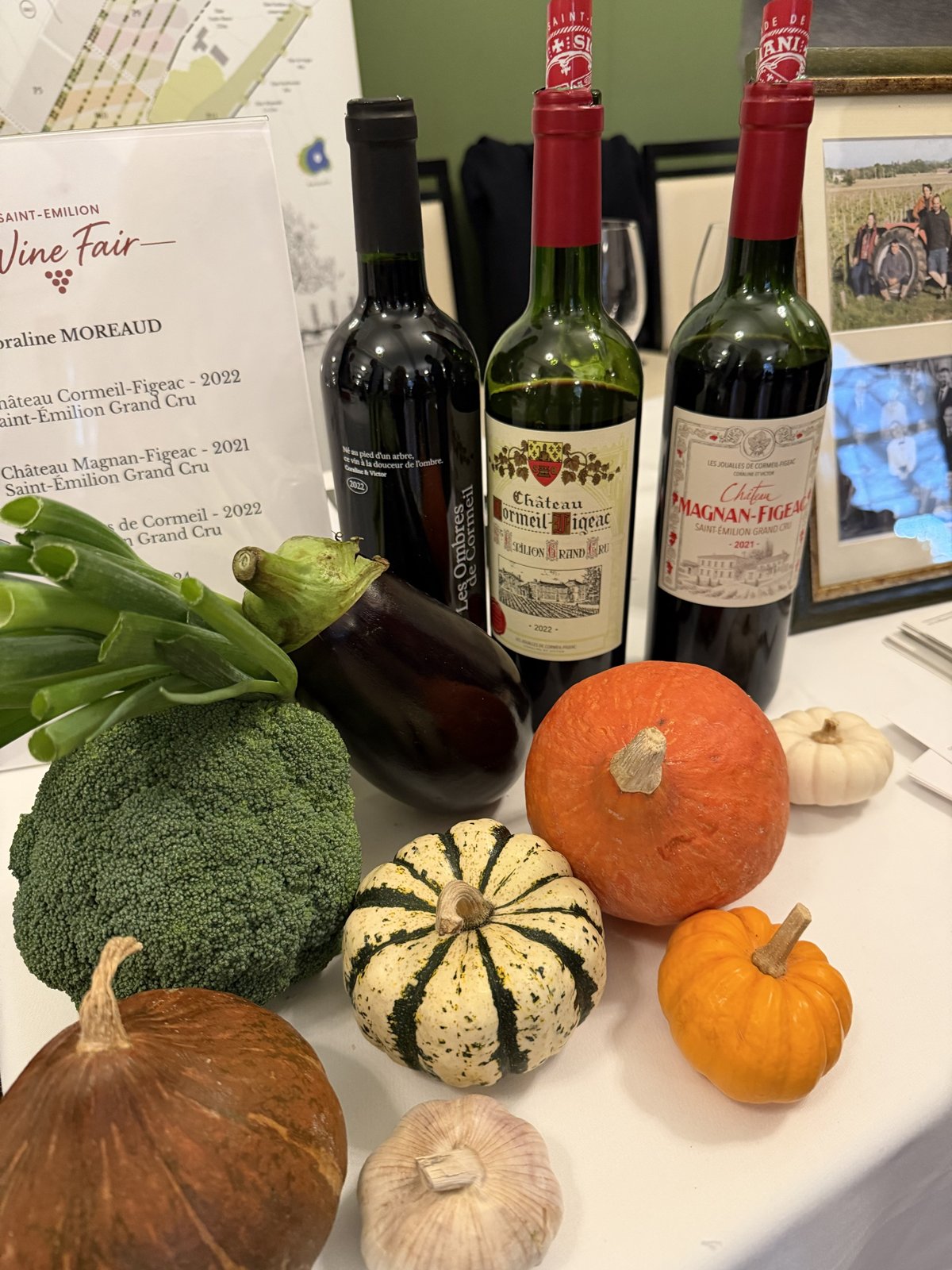
Cormeil-Figeac combines certified organic viticulture with agroforestry, ISO 14001 certification and Bee Friendly recognition.
At La Maison Cardinale, sustainability has expanded beyond the vineyard altogether.
“It’s really a 360-degree vision: how can I have a positive impact?” Caroline Decoster explains.
Château Fleur Cardinale became the first Bordeaux Grand Cru Classé to achieve the Confirmé level of AFNOR’s Engagé RSE recognition for corporate social responsibility.
The programme covers far more than environmental management. It examines relationships with employees, suppliers, visitors and the surrounding community, as well as the wider consequences of business decisions.

The examples are small but revealing.
Caroline considers the well-being of bees when choosing hives, rather than focusing solely on honey production. Bottle weight is being reduced, and procurement decisions take account of environmental impacts as well as cost.
The choice of cork supplier provides a useful illustration: should a business automatically choose the cheaper option 1,000 kilometres away when a supplier may be available within 100 kilometres?
Responsibility also means respecting employees’ time off rather than sending unnecessary emails, responding courteously to unsuccessful job applicants, acknowledging photographers when their work is used on social media, and ensuring that visitors with disabilities are properly welcomed.
An independent agency reviews the company’s practices every three years, while an annual allocation equivalent to 1% of turnover supports these commitments.
The distinction matters.
An organic vineyard does not automatically make an entire company sustainable. Nor does one environmental certificate necessarily address how people are treated.
For La Maison Cardinale, responsibility is intended to shape the way the whole business operates.
Behind the Label
Even the name Clos Systey carries a story.
SY comes from Sylvie, STE from Stéphan, and the final Y gives the name a distinctive, more international sound.
Sylvie Dulong, an oenologist with more than forty years of winemaking experience, had sold her previous estate. She could have retired from the business. Instead, in 2015, she and her friend and business partner Stéphan decided to begin again.
They acquired old vines whose previous owners had sold their production in bulk. There was no established château brand to inherit.
Everything had to be built.
“There was no financial reason for it. It was all about love,” her daughter Fanny Dulong explains.
The estate’s vineyards grow on sandy-loam soils with crasse de fer, the iron-rich hardpan associated with parts of neighbouring Pomerol.
The estate follows organic and biodynamic practices, uses horses for some soil cultivation and harvests by hand.
Its biodynamic work includes the preparation involving cow manure packed into horns, buried underground for several months and later used in vineyard treatments.
The practice may seem unusual to those outside the wine industry, and the specific efficacy of biodynamic preparations remains scientifically debated. But for the people carrying it out, it reflects a wider conviction about the importance of living soils.
The estate’s difficulty was not just how to make good wine. It was how to make a small family business visible and economically sustainable.
Fanny returned after gaining experience in America and Europe, bringing new energy to commercial development and the future of the estate. Juan Moretti contributes to vineyard management and sales.
The younger generation has expanded the estate’s presence through wine tourism, trade events and export markets, including Greece, Spain, Costa Rica and Canada.
The UK remains a market the estate hopes to develop.
And that raises an uncomfortable question in a region where classification carries considerable commercial weight.
How much of the price of a great wine reflects the liquid in the bottle, and how much reflects the name?
A prestigious label represents real things: history, scarcity, consistency and reputation. But none of these is identical to the sensory experience of the wine itself.
Fanny puts it directly:
If you are looking for a label, I’m not the person. Taste it and judge the wine by the taste and the people behind it, not just the name.
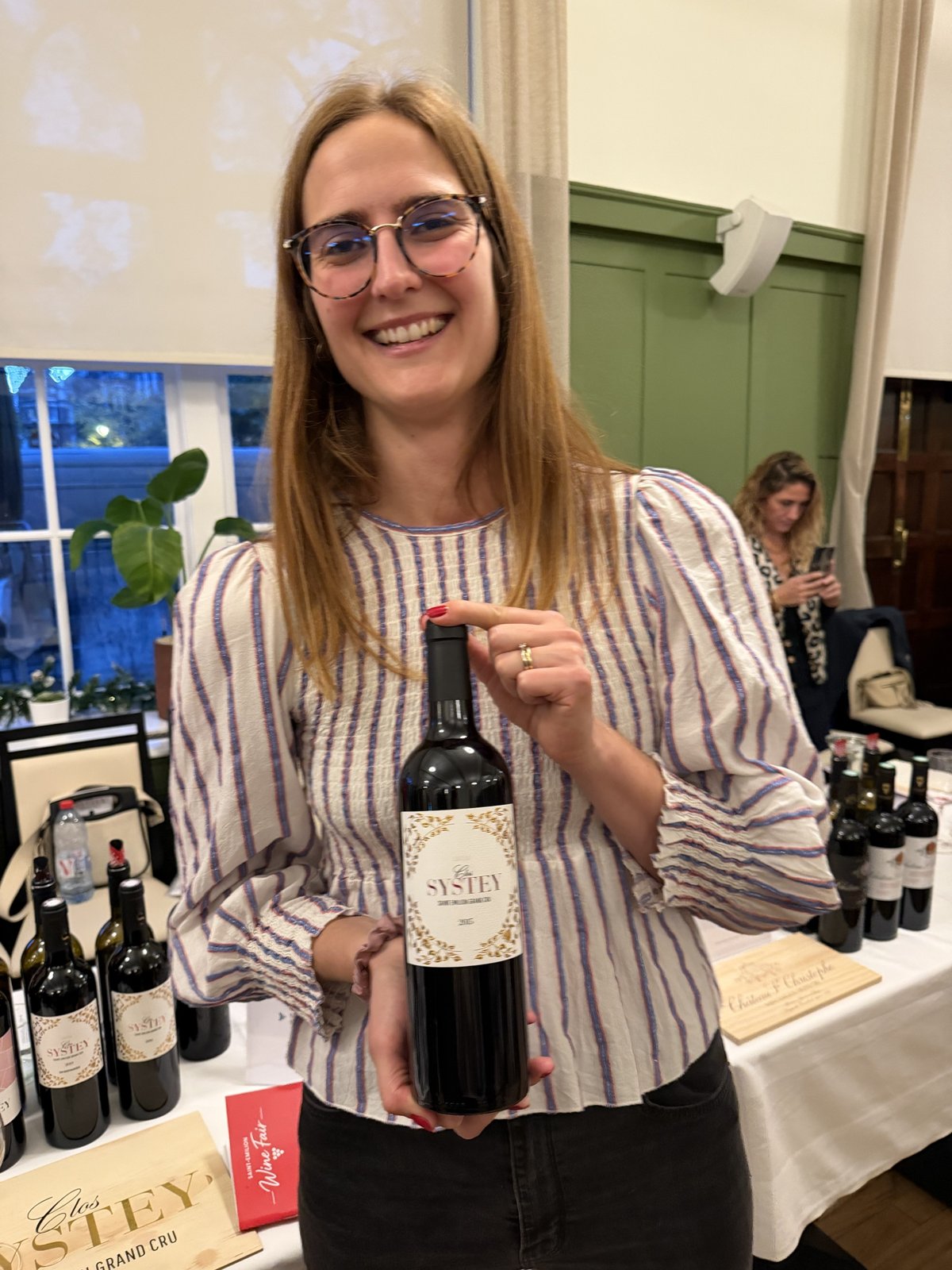
There is something refreshing about that position in a region where classification can have such a profound effect on market value.
In a blind tasting, an unfamiliar Saint-Émilion may challenge assumptions associated with a much more famous neighbour.
Small estates cannot necessarily match the marketing resources of the great names, but they can offer personality, transparency and direct contact.
Behind every label is a collection of decisions, mistakes, family relationships, financial risks and years of work.
These stories are not a substitute for what is in the glass.
They help explain why the wine tastes the way it does.
Not One Saint-Émilion
Consider again those two per cent of old Cabernet Sauvignon at Château Bézineau.
The Faure family keeps these vines as a living connection to a great-grandfather, while Pierre-Jean is already considering how a greater role for Cabernet might shape the next generation of wines.
Elsewhere, producers are preserving Merlot on clay, investigating blue-clay parcels through single-varietal wines, replacing Cabernet Sauvignon with Cabernet Franc, or using the differences between limestone, clay and sand to guide harvest and blending decisions.
Some are answering the challenge through technology. Others through agroforestry, amphorae, biodiversity, detailed parcel management or a different relationship with the people who work on their estates.
Climate change does not require every producer to plant the same variety. Modern consumers are not asking every estate to abandon ageing potential. Sustainability is not one certificate, and innovation does not always mean breaking with the past.
Saint-Émilion is changing, but the speed of that change is not the most interesting part.
The diversity of responses is.
The region’s future may depend less on its wines remaining alike, and more on how convincingly each estate preserves its own identity.